


Family: NT
INTJThe Systems Architect
You see how the pieces fit before the pieces exist.
Summary
You notice which parts of a system can be rearranged long before other people see the pattern, then press what you have noticed into a plan.
Quiet restores your attention and company spends it, so when you do turn outward it comes as a narrow, task-focused burst rather than as general sociability. Concrete detail interests you once you have worked out what it is likely to mean. You treat emotion as information to weigh rather than as a verdict, and you push loose possibilities toward a chosen order.
Once that order is drafted you pause to check for consequences nobody intended. Then you close. You reopen only if the sequence itself turns out to be wrong, which is a higher bar than most people expect.
Traits
Your attention moves from a single observed event to a long chain of structural causes. You ask what stays true if the current constraints vanish. You store hunches as schematic pictures, not as step-by-step sensory recall. When someone repeats instructions, you translate them into principles and then test the edges. You prefer silent preparation to public rehearsal. You correct a flawed model before you soothe its author. You dislike being asked for a reaction before your internal sorting finishes. You schedule deep work and treat surprise visitors as an interruption. You say no to open-ended social maintenance when a chosen project is still unresolved.
Potential
Your potential lights up when a scattered idea becomes a repeatable architecture. You can hold a five-year target and still name the next three actions. You are able to depersonalize feedback and extract the structural flaw. You can learn by watching one example, then generalize the rule far past the original context. You handle ambiguity by setting a temporary internal map and revising at fixed checkpoints. The coach can rehearse your refusal of low-leverage requests. When your result sits close to the middle, you may notice yourself attending to raw detail only once it threatens your model. In a crowd, you can supply the missing second-order consequence.
Nine more sections, in the app
The rest of the profile goes deeper: how you work, love, communicate, parent and handle stress. Unlock it in the PersonalityVIEW app.
Career
Locked. Unlock it in the app.You gravitate toward roles where the task is to redesign the rules rather than enforce them.
Relationships
Locked. Unlock it in the app.With close people, you track commitments the way you track project timelines.
Growth
Locked. Unlock it in the app.Growth shows up when you let an unfinished thought become visible before you have edited it.
Communication
Locked. Unlock it in the app.Your spoken points arrive as compressed conclusions, then you unpack the reasoning only if someone asks.
At work
Locked. Unlock it in the app.You keep a working map of dependencies and deadlines inside your head.
Love
Locked. Unlock it in the app.In romance, you test compatibility by discussing how each of you would resolve a shared constraint.
Parenting
Locked. Unlock it in the app.As a parent, you narrate the reasoning behind a rule before the rule is enforced.
Under stress
Locked. Unlock it in the app.Under pressure, your voice gets flatter and your sentences get shorter.
Friendship
Locked. Unlock it in the app.In friendship, you prefer one long conversation about a real problem over a calendar full of quick check-ins.
Known INTJ figures
People whose recorded words and choices point the same way as this type.
- Isaac Newton
- Nikola Tesla
- Friedrich Nietzsche
- Karl Marx
- Ayn Rand
- Ada Lovelace
- Augustus Caesar
- Sun Tzu
- Jane Austen
- Heraclitus




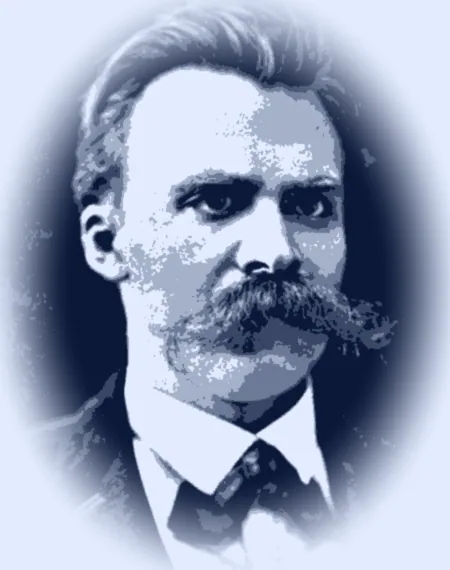
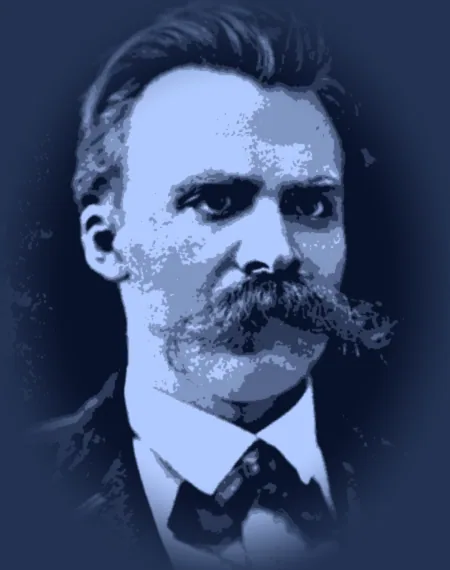




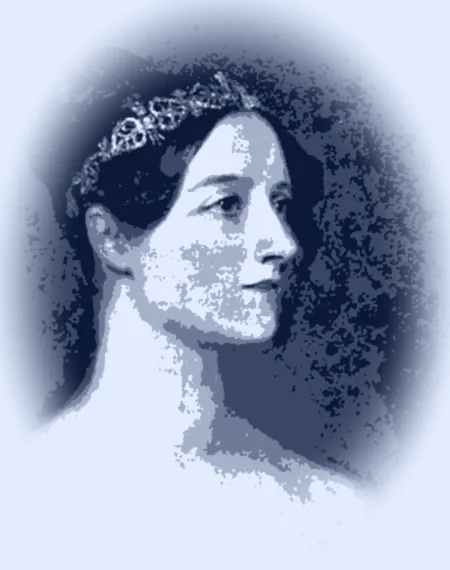
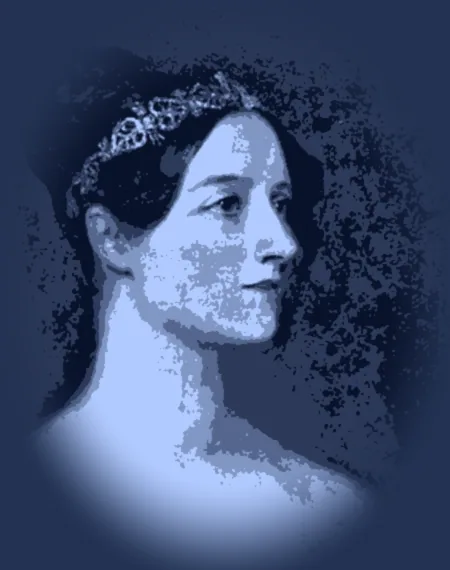


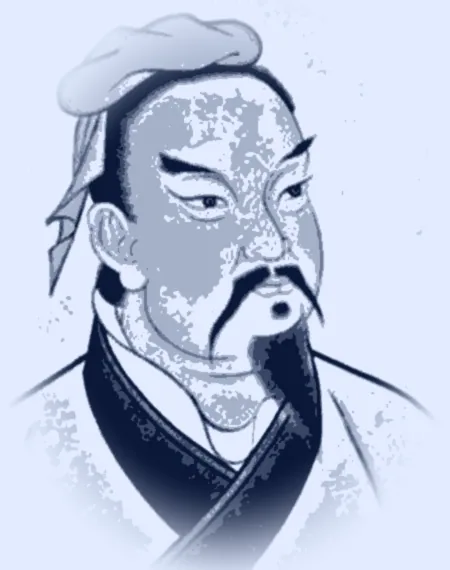





These are illustrations drawn from biography, not diagnoses. Nobody on this list took the questionnaire.
Photo creditsOther types in this family
NTCompasses
Guided by ideas. They take a problem apart to see how it is built, then look for a better way to build it.






Not sure this is you?
A profile can sound right and still be someone else's. Answer for yourself and see where you lean.
- 12 statements
- About 3 minutes
- Free, no account
On iPhone and Android
The full picture lives in the app
The site gives you your type. The app keeps it: how you change over time, how you read alongside the people you know, and a coach that has actually read your profile.
- Every result you take, kept side by side, so you can see what moved.
- Circles for a couple, a family or a team, mapped in one view.
- A coach that answers from your own profile, in your language.
- Your profile reads offline, on the train and on a plane.


Free to download. Your type, your traits and your potential cost nothing.